Recycling in Your Organic Garden
by Jeff Johnston
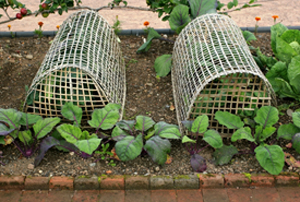
Photo (c) Marilyn Barbone/Shutterstock |
Most people think of recycling when they think of the three Rs...and recycling means tossing our used cans and bottles into a bin. Reducing our consumption, however, is the most effective way to reduce pollution and lessen our need for incinerators and landfill sites. As organic gardeners, we should be reusing materials destined for the garbage bin (or even the recycling one), rather than purchasing new. In our gardens there are many opportunities to reuse this “waste” besides throwing weeds, trimmings and other organic material onto the compost pile. Here are some suggestions for re-purposing waste materials in your organic garden.
When starting your seeds, consider using milk, juice or other beverage cartons. Used upright, these cartons are good for tomatoes, which will put out new roots if you cover the stem with soil. A few days before planting, lay the cartons on their sides; the tomatoes will grow towards the sun again, and you’ll have a long root to anchor the plant. Use the cartons sideways, with the spout side cut off, to form a bed to start smaller plants in bunches. You can also use the bottoms of milk jugs and two litre pop bottles for starting pots; pop bottles also work laid on their sides.
During spring and fall, when night temperatures can slow plant growth, use pop bottles and milk jugs with bottoms removed as cloches – as mini-greenhouses. Remember to remove the lids, and once the sun is up and the temperature rises, lift the bottles away before the plants bake.
When it looks like slugs and cutworms may destroy your plants, cut the bottoms and tops from milk cartons and ram the resulting sleeves one to two inches into the soil around the plants. Use sleeves of varying heights appropriate to the height of each plant. A sprinkling of diatomaceous earth around the plants inside the sleeves will ensure that no pest that moves on the ground will nibble on your plants. Mites seem to be deterred by sunlight reflecting off aluminum foil onto the underside of leaves. Anchor the foil with some stones, surrounding the stem of the plant outward for a few inches. If you use intensive planting techniques, foil won’t work once the plants create a canopy that shades the soil completely.
Old slats or pieces of wood can be woven together and stapled at the ends to create protective covers for tender veggies that might get eaten by rabbits, deer or other garden visitors.
If you have an area that won’t grow crops, use milk bags as growing containers to create a movable raised bed. Slit open and wash the bags, fill them with soil (first poke a few holes in the bottom for drainage), then set them on the ground. Push the seed into the soil or transplant your seedlings before you start the next row. With these bags, you can build as large an area as you can reach with a watering wand or hose nozzle. If pests become a problem, move the bags until you can reach the infested plants. Due to their exposure, bagged plants will be more at the mercy of the sun and wind; an observant eye will be rewarded with good returns.
Harvest
Several brands of spaghetti sauce are sold in Mason jars; ask family and friends to save them for you for home canning – you’ll need new lids and rings, but you’ll save the price of the jars. The jars with their original lids also make great storage containers for grains, dried beans, herbs and sun-dried tomatoes. If you receive a lot of mail with return envelopes, use them for storing seeds. They’re sealable, markable containers that also fit inside freezer bags for cold storage.
Many areas recycle newsprint and cardboard. In areas that don’t, you can reuse them by creating new beds for next spring. Lay down sections of newspaper over layers of plant material, enough to create the size of bed you want. Follow this with flattened cardboard boxes, anchoring it with rocks. Soak, then keep it damp. By spring, worms and other organisms will have reduced this mulch to a friable material that will have you dreaming about bumper harvests.
“Capital” Improvements
Old snow fence your town or county is replacing can be used to contain a compost pile. Slab wood (the first cuts from a log) can often be had for free or very little cost, and can be used to create paths in your gardens, reducing soil compaction. Or use them to create raised beds; they’ll decompose after a few seasons, but you can afford to replace them at such a low cost.
Do you know someone who’s replacing windows or storm doors? Ask for the old ones. You can use them to top coldframes, or, if you have enough of them, build a greenhouse at least warm enough to be considered a walk-in coldframe, good for hardy plants or for hardening off tender plants. You could extend your growing season – or, as author Eliot Coleman points out, your harvest season – by a few weeks with a no-cost greenhouse.
Do companies or stores in your area throw out wooden pallets? You can use them as the walls and door of a compost bin, take them apart and build coldframes from the lumber, or at the very least, use them as firewood, cutting down on your heating expense. Even this use is better than sending them to a landfill site.
Use concrete blocks from a demolition site to build a compost bin (leaving gaps for air circulation). Do you need a root cellar? Build one on the north side of your house, then cover it over with earth. You might want to use some professionals to help design and/or build your cellar to ensure it doesn’t collapse from the weight of wet earth, or leak during the rainy season.
Reusing materials, even recyclable ones, just once will reduce our consumption of natural resources and fossil fuels, and keep dollars in our pockets.
Jeff Johnston is a past president of Canadian Organic Growers and a Permaculture design course graduate. He has worked on conventional and organic farms, and gardens organically.
|