The Permaculture Garden
Self-sustaining food, fiber and energy producing ecosystems
by Grégoire Lamoureux
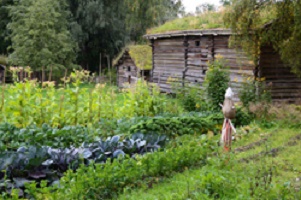
Photo (c) Shutterstock Images |
The Permaculture Garden will serve many functions. Producing food (vegetables, fruits, herbs, flowers) is only one. It will also produce medicinal plants harvested for their roots, leaves, flowers to be used in teas, salves or tinctures. The garden can also grow different fibers for craft materials, such as willows, reeds, and others, for basket weaving. Flowers grown will attract beneficial insects, butterflies and birds; they can be used as cut-flowers or some as dried flowers.
The garden can also generate income from all of the above as well as from seed production, bedding and nursery plants, garden tour, research, writing a book or selling pictures.
A beautiful garden is a wonderful place to meditate and to reconnect with ourselves, Nature and with the spiritual world. Gardening is a great anti-stress therapy. It helps relaxation and is also good exercise. It can afford a social occasion – by bringing your friends to help with weeding, mulching and harvesting!
The garden starts right outside your door. The closest plants are those used on a regular basis and/or those which require more care (such as herbs and salad greens). As we walk further from the house, we grow plants that require less visiting for maintaining or harvesting. Corn, potatoes or squash, for instance, are only harvested once or twice a year and don't require as much care, so they can be placed further away from the house.
Using a creative pattern in the garden will create more edges and often can increase diversity and productivity. The technique called “Keyhole Garden” is beautiful, simple and productive. It can be adapted to the specific needs of the gardener. One of the basic ideas is that it provides easy access with minimum path-to-bed ratio – a “least path” design. The horseshoe-shaped beds are sized so you can easily reach the entire area standing in the keyhole. The beds can be situated near the house for quick access, or along your main pathway.
The beds can be constructed in many ways. For perennials, the raised-bed method works well. For annuals, the sheet mulch method is a great alternative. Instead of tilling or double-digging to prepare the growing space, start with a weed barrier of wet newspaper (black ink only) or cardboard, layered over the entire area. On top of this, use sawdust or straw to define your keyhole pathway. Then around it, put a good layer of compost for your annuals. You can add a bit of soil or sand to hold your seeds. Cover it with straw or old hay to keep it moist. Now you can plant your seeds or transplant your seedlings and your garden bed is done.
One example is the “tomato-polyculture keyhole.” The bed can be around six feet across and three rows deep, with basil/chives in the first row; then a row of tomatoes interplanted with marigold (tagetes) which reduce nematodes; followed by an outside planting of Jerusalem artichokes or sunflowers to act as a wind-shelter and reflect the sun, creating a good micro-climate for tomatoes.
The keyholes can be used along a pathway or they can be combined around a circle to create a beautiful mandala or circle garden. The center circle can be planted with herbs, flowers, a small tree or a shrub. The center is also a good place to have a small pond in the garden. It would be a great place to sit and enjoy a meal, surrounded by flowers and an abundance of food. And if you need a little more salad you can reach out and pick a few leaves. Enjoy!
Grégoire Lamoureux is the Director of the Kootenay Permaculture Institute, Box 43, Winlaw BC V0G 2J0.
|