Seven Steps to Greener Grocery Shopping
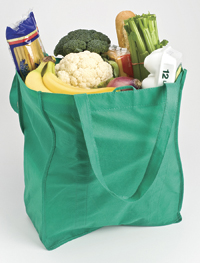 Grocery shopping can create a lot of waste. One study has estimated that approximately thirteen percent of municipal solid waste is packaging material from grocery store products. There are a number of ways you can buy food and other household supplies without creating such a huge eco footprint (and possibly eat healthier too). Here are seven steps to greener grocery shopping: Grocery shopping can create a lot of waste. One study has estimated that approximately thirteen percent of municipal solid waste is packaging material from grocery store products. There are a number of ways you can buy food and other household supplies without creating such a huge eco footprint (and possibly eat healthier too). Here are seven steps to greener grocery shopping:
-
Buy in bulk. Many stores feature bulk food bins for items like pasta, rice, nuts, flour, and other dried foods; some also sell liquids like cleaning products and shampoo in bulk. If possible, take your own reusable containers. Food buying clubs and co-ops are especially good for this. (An added bonus is that bulk buying reduces the number of car trips you have to make to the store.)
-
Avoid individually packaged, single-use items. Buy the larger size packages and then divide up the food at home in reusable containers for convenience.
-
If bulk buying is not possible, choosing the largest size package available will save both packaging and money. Concentrated products also cut down on packaging.
-
Avoid unnecessary packaging. Look for reusable, recycled, and recyclable packaging. (Make sure that the material is accepted by your local recycling program.)
-
Bring your own reusable bags. Up to one trillion plastic bags are used every year, worldwide. A single plastic bag can take up to a thousand years to degrade. They are the second-most common type of ocean refuse, after cigarette butts. Cloth bags are best because they can be easily washed.
-
In the produce aisle, bypass those clear plastic bags. Feather-weight reusable mesh bags are increasingly available for produce that needs to be protected or that you buy in quantity, such as loose pieces of fruit. Or carefully open those plastic mesh bags that onions are sold in and reuse them. A head of lettuce or bunch of carrots doesn’t need a bag at all, and can be put into a reusable container at home.
-
Not cooking tonight? Bring your own reusable containers when ordering take-out food. Just let the restaurant know when you order that you’ll be bringing in your own containers and make sure you take enough of them.
photo © SeanD/Shutterstock
|