Green, Raw and Smooth:
Green Smoothies are a Recipe for Good Health
by Wendy Priesnitz
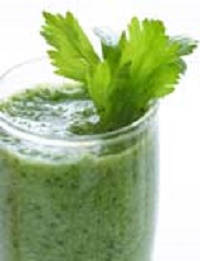 We all know that a daily diet rich in fruits and vegetables is a good thing, that it can prevent obesity, diabetes, heart disease, and even some types of cancer. But most of us don’t eat anywhere near the recommended amount of these nutrient-packed foods each day. Some of us haven’t recovered from the soggy, boiled, unidentifiable stuff our mothers made us eat as children. Some of us think that preparing fruits and veggies isn’t compatible with our fast-paced lifestyles. The rest of us mean well but get tired of tossing out those science projects that languish in our refrigerators. We all know that a daily diet rich in fruits and vegetables is a good thing, that it can prevent obesity, diabetes, heart disease, and even some types of cancer. But most of us don’t eat anywhere near the recommended amount of these nutrient-packed foods each day. Some of us haven’t recovered from the soggy, boiled, unidentifiable stuff our mothers made us eat as children. Some of us think that preparing fruits and veggies isn’t compatible with our fast-paced lifestyles. The rest of us mean well but get tired of tossing out those science projects that languish in our refrigerators.
But you don’t have to cook vegetables and fruit to take advantage of their nutrition. In fact, temperatures above about 116 degrees F (46.6 C) destroy food’s natural enzymes, which facilitate digestion and keep our gut and arteries clean, thus boosting health and energy. Raw green veggies are especially health-enhancing. They are loaded with amino acids (the building blocks of protein), minerals, vitamins, fiber, and chlorophyll. Research has shown that raw vegan diets decrease toxic products in the colon and enable proper elimination of waste.
But one can only eat so many salads, you say. And, in fact, we only benefit from some of the nutrients in salads. Unlocking the nutrients stored in their cell walls requires a significant amount of chewing, which most of us aren’t very good at – or patient enough to do. So blending these foods into a smoothie makes the nutrients available by rupturing the plant cell membranes, enabling our bodies to process the food more easily and quickly, and absorb all those nutrients.
Green smoothies don’t require you to buy expensive protein powders or soy milk or sweet syrups. All you need are a couple of ice cubes or some liquid, some fresh greens (preferably organic) and a piece or two of fruit.
You might be familiar with fruit or soy protein smoothies. But green smoothies don’t require you to buy expensive protein powders or soy milk or sweet syrups. All you need are a couple of ice cubes or some liquid, some fresh greens (preferably organic) and a piece or two of fruit. Dust off the blender, mix them up and you have a delicious green smoothie that is dense with nutrients that are easily absorbed into your blood, that contains little or no saturated fat, and is low in sodium, high in potassium, fiber, and antioxidants.
Best of all for busy people, green smoothies are simple and fast to prepare. Start with some dark, leafy greens like spinach leaves, kale, romaine, or parsley. You can also use celery, carrot tops, and other greens. To sweeten up the taste of the greens, blend them with fruit. Try a couple of apples, pears, or bananas, or chunks of fresh mango, peaches, or berries. Instead of ice cubes, you can add fresh coconut water, purified water, or freshly made nut milk to create your preferred texture. Add some “super foods” or powdered supplements if you want, but it’s not necessary.
Precise measurements are not required. Forty percent greens to sixty percent fruit is a good place to begin. The combinations are limitless, so just use your imagination, buy what’s seasonally available or on sale at the market, and experiment until you find some recipes that suit your taste. Rotating the greens you use is a good idea so you get a variety of nutrient combinations. If your smoothie tastes too – well – green, try adding a drop of natural vanilla extract. Kids enjoy making their own smoothies – and cleanup, like preparation, is easy and fast.
To get you started, here are some combinations that we like:
- Four pears, one bunch parsley, two cups of water
- Pineapple, bananas, fresh mint leaves, water
- Bananas, chopped papaya, freshly squeezed orange juice, greens
Learn More
Green Smoothie Revolution: The Radical Leap Toward Natural Health by Victoria Boutenko (North Atlantic Books, 2009)
Green Smoothies Diet: The Natural Program for Extraordinary Health by Robyn Openshaw (Ulysses Press, 2009)
Raw-Riffic Food’s 101 Super-Charged Juices, Shakes & Smoothies by Deborah C Marsh (CreateSpace, 2009)
Green for Life by Victoria Boutenko (Raw Family Publishing, 2005)
Wendy Priesnitz is Natural Life Magazine's editor.
|