Weathering Winter
Lifestyle and diet can keep us healthy using the principles of oriental medicine
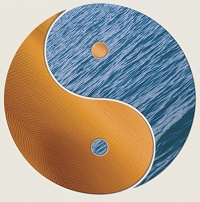 The seasons have a profound effect on our health, on the way we live our lives and on the food we eat. We can either work against the weather or we can be in harmony with it. In fact, Oriental wisdom treats the harmonization of food and lifestyle with the seasons as an art form. Seasonal influences are one of the factors that Traditional Chinese Medicine (TCM) considers in order to create a proper diet as both a healing and disease prevention system. The seasons have a profound effect on our health, on the way we live our lives and on the food we eat. We can either work against the weather or we can be in harmony with it. In fact, Oriental wisdom treats the harmonization of food and lifestyle with the seasons as an art form. Seasonal influences are one of the factors that Traditional Chinese Medicine (TCM) considers in order to create a proper diet as both a healing and disease prevention system.
Your health, like the universe at large through the seasons, is subject to constant battling between opposing forces (such as heat and cold, joy and sadness), which can result in too much or too little activity in particular organs of your body. An imbalance between any of these forces can cause a blockage in the flow of your qi or vital energy/life force, which travels through your body along invisible pathways known as meridians.
By noting these seasonal changes and influences and changing your diet accordingly, you can maximize their health during all times of the year. When the weather is warm in the spring, humid in the summer, dry in the fall or cold in the winter, TCM employs treatments known as “eliminating fire,” “expelling dampness,” “moistening the body” and “guarding against cold” respectively.
Readers in northern climates are currently living through the winter’s cold weather. According to the Theory of Yin and Yang, winter is the season in which yin gathers and hides qi deep within our bodies, encouraging us to reflect on our inner natures (while yang is associated with summer’s heat and external aspects of our being). According to the Law of the Five Elements, each season is associated with the element of fire, earth, metal, water or wood. The specific element associated with winter is water, which involves the kidneys and bladder and is the most powerful of all the elements. Kidney qi is said to be the root of all the qi in the body. It determines our ability to grow and develop, both physically and mentally. It controls the bones, spine, legs, ears, head hair and brain. It also is directly connected with the reproductive system and fertility.
From a psychological and emotional perspective, the water element is associated with both wisdom and fear. Excessive fear fosters insecurity in our daily lives and is believed to injure the kidney energy. Given the current economic and environmental uncertainty, many people have been experiencing fear in their daily lives. So this winter is an especially important time to look after your kidneys and to create an overall sense of inner calm by nourishing your yin – through introspection and stress relieving practices like yoga and meditation, as well as by diet and perhaps acupuncture or an herbal kidney tonic.
In line with the universe and the environment, in winter, we are encouraged to conserve our energy, to keep warm and to eat warm and nourishing foods to counter our susceptibility to colds, the flu and breathing problems like bronchitis.
TCM recommends acrid and sweet flavors to bolster the body’s qi and improve immunity. Cooked, warming foods such as hearty soups also fortify the kidney energy. These include barley, tofu and miso, string beans, dark colored beans, roasted nuts, dark fruits such as blackberry and blueberry, seaweed and animal products including fish, eggs, dairy products, and pork. Winter is also a good time to eat root vegetables.
However, avoid over-eating this hearty, heated food because heavy meals can dry up bodily fluids. Oriental medicine encourages moderation. In fact, regarding nutrition, TCM encourages the “70 percent rule:” Eat until one feels 70 percent full.
Winter is also the time to enjoy hot, spicy and sweet beverages. That includes pungent teas, coffee, hot chocolate and even alcoholic drinks in moderation, as a means of balancing the chill.
|