|
Ask Natural Life
Air Fresheners or Air Pollutants?
by Wendy Priesnitz
Q: We have recently moved into an older house that used to have pets and has some musty smells in the basement. We’ve made fixing the leaky basement a priority and planning to pull up the carpets and refinish the wood floors, but can only afford a few renovations at a time. So, for now, there are some smells we’d like to get rid of. Can you recommend a safe air freshener?
A: First of all, air fresheners (also known as room sprays, plug-in deodorizers, odor neutralizers, air sanitizers, or aromatherapy candles) don’t get rid of smells; they just mask them, either with perfume or by interfering with your ability to smell by coating your nasal passages with an oil film or releasing a nerve deadening agent.
Known toxic chemicals that can be found in air fresheners include formaldehyde, camphor, ethanol, phenol, petroleum-based artificial fragrances (which contain their own mix of toxins) and benzyl alcohol. These chemicals can cause symptoms like headaches, rashes, dizziness, migraines, asthma attacks, mental confusion, coughing and more. Some of the substances in air fresheners are also known carcinogens and others are hormone disruptors.
Severity and triggers as well as symptoms vary from person to person. But when used in a confined area like a house, the intense amount of toxins in a small area can be especially problematic. Children are particularly susceptible to harm from chemicals in indoor air.
Asthma is a major problem related to air fresheners and perfumed cleaning products. In a 2007 European study, researchers found that using air fresheners as little as once a week can raise the risk of developing asthma in adults. The epidemiological study, undertaken by the Centre for Research in Environmental Epidemiology at the Municipal Institute of Medical Research in Barcelona, Spain, was published in the American Journal of Respiratory and Critical Care Medicine. The investigators used baseline data from the European Community Respiratory Health Survey, one of the world’s largest epidemiologic studies of airway disease. They found that the risk of developing asthma increased with frequency of use, but on average was about 30 to 50 percent higher in than those not exposed to sprays.
Known toxic chemicals that can be found in air fresheners include formaldehyde, camphor, ethanol, phenol, petroleum-based artificial fragrances (which contain their own mix of toxins) and benzyl alcohol.
The researchers didn’t identify the specific cause of the higher asthma cases, but other studies have. A 2006 study by the National Institute of Environmental Health Services (NIEHS) found that a volatile organic compound (VOC) common in air fresheners may harm lung function. The study, which was published in Environmental Health Perspectives, linked 1,4 DCB to a reduction in pulmonary function, a link found to be significant even when smoking was factored in.
In aerosol form, the dangers of these products are multiplied because of the micro-particles that are created of the chemicals. But there is also a problem with air fresheners that plug into electrical outlets. A study by the U.S. Environmental Protection Agency (EPA) has found that a harmful smog can form inside homes through reactions between fragrance molecules like pinene and limonene, which are emitted by plug-ins, and ozone. The reactions generate formaldehyde, which is a carcinogen, and related compounds that many experts believe are responsible for respiratory problems. Ozone, produced at ground level when vehicle exhaust emissions react with sunlight, is a common urban pollutant and can be present in buildings with open windows or regularly opening doors.
When researchers for the Natural Resources Defense Council (NRDC) tested 14 brands of common household air fresheners in 2007, they found that 86 percent of scented sprays, gels and plug-in fresheners tested contained phthalates, even those bearing “all-natural” and “unscented” labels. Phthalates are hazardous chemicals known to cause hormonal abnormalities, birth defects and reproductive problems. When people use air fresheners, the phthalates are released into the air where they may be inhaled or may land on the skin and be absorbed. Once these chemicals enter the bloodstream, they can alter hormone levels and cause other health problems like allergic symptoms and asthma.
As a result of its Clearing the Air report, the NRDC, along with Sierra Club, the Alliance for Healthy Homes and the National Center for Healthy Housing, petitioned the EPA and the Consumer Product Safety Commission for stricter regulations around air fresheners. They want the EPA to pay particular attention to the link with asthma. The petition stated that Americans suffer significant exposure “to a veritable cocktail of dangerous and potentially dangerous volatile organic compounds. In cases of mold and damp indoor environments, air fresheners may hide an indicator of potentially serious health threats to the respiratory system.”
Scented and so-called aromatherapy candles appear to be no better at clearing the air. Traditional candles are made of paraffin wax, a petrochemical that is a by-product of the gasoline industry. And most of the scents are full of harmful chemicals. The black soot created from burning paraffin – and especially scented – candles is toxic. Soot particles are very small and are easily inhaled and deposited deep in the lungs. Despite laws against it, many candle wicks still contain lead, which is dispersed from burning candles. Lead is linked to impaired learning and brain damage in children.
According to the American Lung Association, “using slow burning paraffin candles cause poor indoor air quality, and a serious health concern.” The Asthma Society of Canada recommends that the very young, the elderly and those with respiratory diseases like asthma avoid exposure to candle soot.
Of course, the National Candle Association disagrees that consumers should be concerned. While admitting that “microscopic amounts of organic compounds or special ingredients used to formulate a particular scented candle may be released when a candle is burned,” it says they are too minimal to pose a health risk. However, it also admits that scented candles can trigger asthma attacks and suggests only burn them in well-ventilated rooms.
Avoid incense too. In 2003, scientists at the Hong Kong Polytechnic University studied indoor air pollutants emitted from ten types of commonly used incense. They found higher than permissible levels of carbon monoxide, formaldehyde, benzene, toluene, methyl chloride and methylene chloride – even among two brands that claimed to be “environmentally friendly.”
I have serious doubts about the environmental friendliness of any of these so-called air freshening products. Generally, they are over-packaged, the plastic ones are often not recyclable and, in many places, unemptied aerosol cans are treated as hazardous waste. The bottom line is that they are unnecessary purchases for which a market has been created by playing on consumers’ desire for cleanliness.
Some people like to use pure, organic essential oils to mask nasty odors in the short-term. But do not burn them (as in candles) because they are highly flammable and the smoke from burning essential oils may contain potential carcinogens, such as polycyclic aromatic hydrocarbons (PAHs).
However, even exposure to pure, organic essential oils can cause breathing problems for children and for some people with asthma or other respiratory problems or environmental/fragrance sensitivities. They can also negatively affect pets. Volatile organic compounds (VOCs) are present in essential oils, and using them in a diffuser can exacerbate their harm. Some essential oils are actually suspected of causing allergies; they include aniseed, bay, cardamom, citronella, jasmine, bay laurel, orange, pine and verbena. The use of essential oils during pregnancy is controversial among aromatherapists. Most sources say that pregnant women should avoid the essential oils of angelica, basil, cedarwood, clove, coriander, fennel, hyssop, jasmine, juniper, marjoram. oregano, peppermint (which should also be avoided while nursing), rosemary, sage, thyme and wintergreen. At any rate, essential oils are very potent and I recommend that they only be used under the supervision of trained professionals for valid healing purposes.
The safest way to clear out odors from your home is to remove the source of the problem. Then keep the air clean by ensuring regular ventilation.
Additionally, many of the plants used to make essential oils are gathered from the wild. And there is a serious sustainability issue with many of these plants, especially with the two most popular scents – rosewood and sandalwood, which are both being decimated in the wild. Tiny amounts of essential oils require massive quantities of plant material, especially compared to the amounts required by herbalists to make infusions.
Alternatives to Air Fresheners
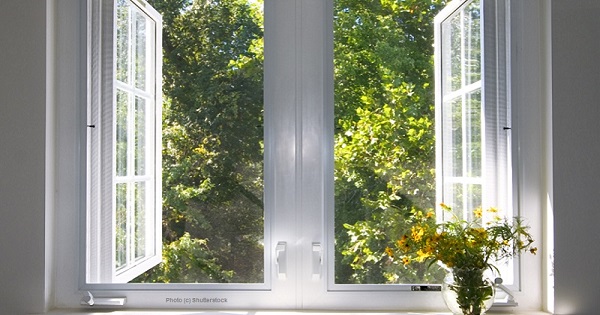
You’re right to attack the source of the odor as a permanent solution. But in the meantime, the best solution is to open windows to bring in fresh air or to use fans to maintain air circulation.
A more expensive alternative is to purchase a portable air filter, which could be the subject of a column all by itself. Many of the smaller portable filters will remove odors and small dust particles. Look for one with a HEPA (high-efficiency particulate air) filter. Some electronic portable ionizing air purifiers produce small amounts of ozone and other oxidants as byproducts; ozone is a lung irritant – especially for the elderly, children and those with asthma or other respiratory problems – and should be avoided.
There are also ozone generators, which intentionally produce significant amounts of ozone and are sometimes sold as air cleaners. (Ozone is what you smell outside just before a rain storm, or if a computer printer or photocopier has been operated for a long period of time in an enclosed area.) Restoration contractors use ozone generators to remove smoke odors after fire damage, musty smells after flooding and other strong smells, but the required levels of ozone are extremely high and, aside from being harmful on its own, the ozone can bond with other substances to create unhealthy byproducts. The issue is controversial, but the California Air Resources Board has banned in-home ozone generators, effective next year, and will require testing and certification of all types of air purifiers to minimize the amount of ozone they generate.
The safest way to clear out odors from your home is to remove the source of the problem. Then keep the air clean by ensuring regular ventilation. Meanwhile, see below for some temporary natural solutions that won’t harm you, your family or the environment.
Natural Air Fresheners (only to be used if you, your family, and visitors can tolerate them)
- Absorb smells with a half a cup of vinegar or a box of open baking soda
- Simmer cinnamon, cloves, cut fresh ginger, rosemary or basil in a little water
- Simmer a few quartered organic lemons in clean water for 30 minutes to an hour
- Set out a small container containing a few teaspoons of natural vanilla extract
- Add potted plants to your room to clear carbon dioxide and other toxins naturally
- Use volcanic rocks to absorb the odors
- Set out a potpourri of dried, fragrant, additive-free flowers or herbs
- A sprig of fresh eucalyptus will scent a room for up to two weeks.
Wendy Priesnitz is Natural Life’s founding editor. She has also worked as a journalist for over 40 years, and as a writer and researcher for government-sponsored indoor air quality reports. She has also authored 13 books.
|