|
The Natural Child Column
Protecting Our Kids From Commercialism
by Wendy Priesnitz
One of the central premises of marketing is that buying things will make us happy. There is a growing body of evidence, however, that the opposite is true, that the pressure to overspend and over-consume actually makes people less happy. And when the pressure to become materialistic affects children, the results are worse.
A study of materialistic values among children by psychology professor Tim Kasser found that materialistic children are less happy, have lower self-esteem and report more symptoms of anxiety and less generosity. The study also found that more materialistic children report engaging in fewer positive environmental behaviors such as reusing paper and using less water while showering.
Another study, reported by sociology professor and author Juliet Schor, found that for children, “High consumer involvement is a significant cause of depression, anxiety, low self-esteem and psychosomatic complaints. Psychologically healthy children will be made worse off if they become more enmeshed in the culture of getting and spending. Children with emotional problems will be helped if they disengage from the worlds that corporations are constructing for them.”
Other researchers have suggested that marketing is a factor in the childhood obesity epidemic and encourages eating disorders, precocious sexuality, youth violence and family stress.
Unfortunately, marketing to children is big business, worth billions of dollars a year. And it’s growing. According to the Campaign for a Commercial-Free Childhood (CCFC), the amount spent on marketing to children doubled between 1992 and 1997. And the target age is getting younger as ever younger children influence purchasing decisions and parents want to give their children an edge over their peers.
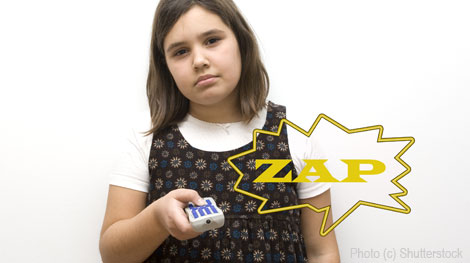
Children see advertisements on television, on the Internet, at the movies, on school buses, and in school classrooms. Although direct advertising to children in not allowed in some countries, kids are still exposed to stealth marketing. Almost every major media program for children has a line of licensed merchandise used to sell fast food, breakfast cereals, snacks, and candy. Many toys are actually advertisements for food.
A number of professional and public health organizations, including the World Health Organization and the American Academy of Pediatrics, support restrictions on marketing to children. And a number of organizations and coalitions – including CCFC – have formed to protect children from exploitative marketing. CCFC is a coalition of health care professionals, educators, advocacy groups and concerned parents wanting to counter the harmful effects of marketing to children.
One of CCFC’s actions was a letter writing campaign that began when it was alerted by parents to the quiet integration of advertising on Webkinz World – a wildly popular social networking site for kids who’ve bought Webkinz stuffed animals. The site promoted itself as commercial-free and the “Parents Area” of the site did not mention that it includes advertising. CCFC has also successfully registered complaints to the U.S. Federal Trade Commission requesting changes to what it calls “false and deceptive” marketing of Baby Einstein and Brainy Baby videos. And it continues to protest Mattel's Hello Barbie, a doll that records and analyzes children’s private conversations, which experts agree is a threat to children’s privacy, wellbeing, and creativity.
Wendy Priesnitz is the Editor of Natural Life Magazine and a journalist with over 40 years of experience. She has also authored 13 books. For more information on children and commercialism, read our spin-off publication Natural Child Magazine.
|