|
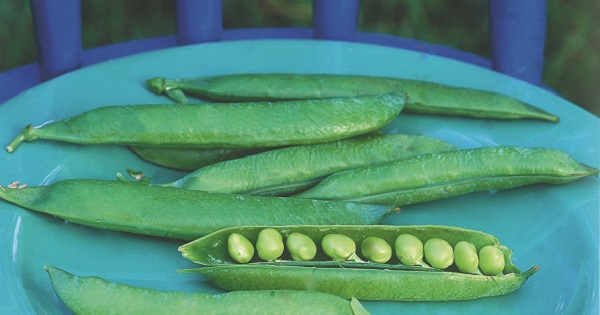
Eat More Raw Foods
by Wendy Priesnitz
Food fads and trends come and go. But one that seems to be increasing in popularity is already thousands of years old. And that’s eating unprocessed, organic, whole, vegan foods, at least 75 percent of which is uncooked. A variety of techniques are used to prepare these foods, including sprouting seeds, grains and beans; soaking nuts and dried fruits; and blending and juicing fruits and vegetables. Dehydration is also used, because it doesn’t require much heat.
The growing number of adherents to what is sometimes called a “living foods diet” – believe that eating uncooked food prolongs youth and fights disease. The raw diet tends to be dense with nutrients that are easily absorbed into your blood, and contains little or no saturated fat. It is low in sodium and high in potassium and fiber. These factors are important in helping to reduce the risk of certain diseases such as heart disease and some cancers.
More importantly, temperatures above about 116 degrees F (46.6 C) destroy food’s natural enzymes, which facilitate digestion and keep our gut and arteries clean, thus boosting health and energy. How that happens is a bit controversial, with some scientists claiming that digestion depends on enzymes that the body generates and not on food enzymes. But fiber and antioxidants – of which fruits and vegetables are prime sources – influence that process. And the less cooked the fruit or vegetable is, the more antioxidants and fiber it retains.
We do know that cooking food modifies the molecular structure of protein, making it less usable by our bodies. When proteins are subjected to high heat during cooking, enzyme-resistant linkages are formed between the amino acid chains. The body cannot separate these amino acids and the indigestible, coagulated protein molecules become a source of toxicity.
Swiss research from the 1930s suggests that, when cooked food is ingested, the immune system sends armies of white blood cells to the digestive tract to fight what it perceives to be a threat. Absorption of un- or partially-digested proteins into the bloodstream can cause allergic reactions and toxicity of the immune system. This immune reaction is called Leukocytosis. In simple terms, this process throws the body into shock, acting in self-defense by pumping out its own enzymes to digest the foreign substances that were ingested.
Scientists have continued to study cooked versus raw food diets. A Finnish study published in the journal Nutrition in 1992, for example, confirmed that raw vegan diets decrease toxic products in the colon. Results suggest that a raw food uncooked extreme vegan diet causes a decrease in bacterial enzymes and certain toxic products that have been implicated in colon cancer risk.
Here are some tips for gradually increasing the raw food ratio in your meals, while avoiding the physical side effects and culture shock of the transition.
- Eat sprouts – the seeds of foods such as mung beans, aduki beans, alfalfa, radish, rye and millet.
- Eat salads with every main course.
- Eat fruit for breakfast instead of cereals or bacon and eggs.
- Eat fruit, nuts and seeds whenever you want a between meals snack
- Juice raw fruits and vegetables.
- Remember that you are improving your eating habits and not going on a diet.
- Mix warmed with cold, raw food, especially in the winter.
|
According to research performed by Dr. Bruce Ames, professor of Biochemistry and Molecular Biology at University of California, Berkeley, various groups of chemicals from cooked food can cause tumors. For instance, nitrosamines are created from fish, poultry, or meat cooked in gas ovens and barbecues, as nitrogen oxides within gas flames interact with fat residues; hetrocyclic amines form from heating proteins and amino acids; polycyclic hydrocarbons are created by charring meat.
Conversely, researchers have found that a diet rich in raw vegetables lowers your risk of breast cancer. Eating lots of fruit reduces your risk for colon cancer, according to a study published in 1998 in the journal Epidemiology. And including fresh fruit as part of your daily diet has been associated with fewer deaths from heart attacks and related problems, by as much as 24 percent, according to a study published in the British Medical Journal in 1996.
However, there is some research to indicate that some of the phytochemicals, such as lycopene in tomatoes and carotenoids in carrots, are more easily absorbed by the body when the vegetable has been cooked. So supplementation of those nutrients might be wise, or you could eat a balance of raw and cooked.
It has also been suggested that a raw foods diet could be low in iron and calcium. But a study published in Archives of Internal Medicine found although bones were lighter on a raw diet, osteoporosis wasn’t a threat. The lower bone mass that researchers discovered in raw food eaters was apparently due to their being thinner than the general population, due to their reduced caloric intake. The study was a small one, with researchers comparing the bone health of 18 people who had been following strict raw food diets for up to 10 years with that of people who ate a more typical American diet, including refined carbohydrates, animal products, and cooked foods. The groups were matched according to age, sex, and socioeconomic status. To gauge bone health, the researchers looked at each person’s body weight, bone weight and mineral density, markers of bone turnover, levels of vitamin D, and inflammatory markers. The raw food vegetarians in the study had lower body weights and total body fat than the other volunteers. They also had lower bone mass and bone mineral density. But the people who followed raw food diets did not have any other biological markers that typically accompany osteoporosis and had normal rates of bone turnover.
Experts suggest switching slowly from a cooked to a raw diet because of the effects of detoxification that may be experienced. These can include headaches, nausea, and mild depression.
One of the ways to learn how to convert to a raw foods diet, while preparing it in an engaging manner, is to take cues from the growing number of celebrity chefs who specialize in raw, vegan menus.
And one of the chefs leading the movement toward gourmet raw foods is Chad Sarno, who was called “the king of uncooked and vegan cuisine” by GQ magazine. In his book Vital Creations Raw Culinary Workbook, Sarno writes, “Twentieth century mainstream nutritional science has intricately analyzed, dissected and removed the vitality of raw food, which is undisturbed in nature. However, now it has become our responsibility to pick up the pieces to assemble a more complete picture of food in its natural state. For all its technological brilliance, modern science is cognitively stuck in a mind-set that is woefully inadequate to the task of synthesizing nutritional wholeness in a way that many of us would like. It has done more than just leave us on our own; it has led us down a path of nutritional error, falsehood, conspiracy, and fraud. The fraud revolves around one idea: the loss of the truth that our food and the soil from which it grows is a living system. When you forget that food is alive, it can easily become conventional wisdom to cook, can, salt, skin, dilute, dissect, adulterate, and/or irradiate food into an enzymatically dead substance. This depleted food is the source of almost all dietary and health problems. It has become commonplace to drown crops chemically instead of growing or feeding the soil, which is the life of the plant.”
Here are some recipes by Chad Sarno to get you started on your raw food journey. Enjoy!
Wendy Priesnitz is the co-founder and editor of Natural Life Magazine and a journalist with over 40 years of experience. She has also authored 13 books.
|