Natural Flu ControlBy Wendy Priesnitz
How to boost your immune system naturally and help avoid the flu.
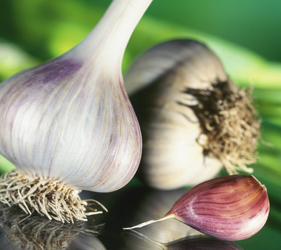
How can you avoid getting sick in flu season? Since your best defense in beating the cold and flu season is to boost your immune system, the best answer is to take good care of yourself. “This is an ideal time to commit yourself to practices like yoga, meditation, healthy nutrition, restorative sleep and the use of herbs and supplements,” says Karen Koffler, MD, director of Integrative Medicine at Evanston Northwestern Healthcare, near Chicago, Illinois. “These healthy habits can strengthen your immune system and reduce stress.” One of the main ways to support your immune system is to get eight hours of uninterrupted sleep. Your body needs that amount of sleep to repair itself and prepare itself to fight for the coming day. Eating well is another component of immune system support. Avoid processed food, which is high in simple carbohydrates and hydrogenated oils that act as immune system stressors. Instead, eat complex carbs like brown rice and whole wheat, and indulge in vegetables and fruit, which are antioxidants as well as being high in vitamins and minerals. And eat lots of immune-boosting garlic and onions. Be sure to increase your intake of “good fats,” which are found in cold-water fish like salmon (go for wild or organic), or supplement with flaxseed oil. Nutritionists also recommend drinking more liquids, such as six to eight glasses of water a day. Thirdly, find ways to deal with stress, because how well we deal with stress affects the health of our immune systems. People who are stressed out from having too much to do or from financial or other worries are more likely to catch the flu. So, in addition to the usual common-sense recommendations – such as washing your hands often, teaching your kids “cough etiquette” and avoiding people who already are sick – Dr. Koffler points out that it’s also important to find ways to consistently notice and reduce feelings of stress. “Controlling stressful feelings can help you achieve a balanced state of health and maintain your energy levels,” she says. There are also supplements that can act as immune system boosters. They include Vitamins C (as much as three grams), A (25,000 IU), and E (400 IU) plus selenium. Some people swear by the flu-fighting abilities of zinc lozenges, or take a 30 mg zinc supplement. In the herbal medicine chest, the Chinese herb astragalus can be effective in the prevention phase but shouldn’t be used during an actual cold or flu, and echinacea is also known to help prevent and treat colds and the flu. Green tea is another potent immune system booster, anti-viral and anti-bacterial. Drinking a cup a couple of times a day is soothing, but capsules are more potent than the tea. Decaffeinated green tea is probably the best way to take it so that you’re not hyped up and unable to sleep, which weakens your immune system. Garlic has been nicknamed “Russian penicillin,” due to its anti-viral, anti-bacterial, anti-fungal and anti-yeast properties. Fresh garlic is great if you don’t mind the smell. An alternative is enteric-coated garlic pills that dissolve deeper in your digestive track and therefore don’t produce garlic breath. These pills can get the garlic into your system faster so it can seek out and destroy flu and flu-like viruses. Consult your doctor before taking garlic if you are on blood thinning medication. Black elderberry extract is another good way to protect against colds and flu. Look for it in capsules, lozenges or syrup form at a health food store, where it is also generally available in sugar-free formulations for diabetics. Vitamin D may be an important way to arm the immune system against disorders like the common cold, according scientists from the University of Colorado Denver School of Medicine, Massachusetts General Hospital and Children's Hospital Boston. People living away from the tropics are not able to produce sufficient quantities of Vitamin D from the sun. Experts say that people with a high risk of vitamin D deficiency should supplement with between 600 and 1000 IU of vitamin D each day. Homeopathic remedies, which are similar in principle to vaccinations, should also be considered. The homeopathic remedy Influenzinum 200C is a flu preventive. Take four pellets under the tongue twice a day for three days every month during flu season. Hand-washing is a simple, yet very effective preventive, since viruses are spread from person to person through contact with surfaces that have been infected by others. So wash your and your children's hands regularly, especially after you've been out in public and before you eat. If You Still Get SickIf none of the above works and you are still feeling under the weather, here are some remedies. Vitamin C is a natural antihistamine and can help to block the effect of inflammatory substances produced by the body, thereby reducing discomfort from congestion. Foods that contain garlic and capsaicin can also help to open up bronchial passages. Peppermint tea will help clear your head, as will a tea made from well-steeped fresh parsley. Or put a few drops of eucalyptus and rosemary oil in a bowl of steaming water, then place your head over the bowl and cover with a towel to keep in the vapors. Soothe a sore throat with some marshmallow root tea. Cats claw can shorten the duration of the flu and catnip will help lower a fever. A good combination of herbs for a cough includes coltsfoot, white horehound and licorice. Black elderberry extract is also good for shortening the duration of flu symptoms. The homeopathic remedy Oscillicoccinum 200C can be taken in the dosage of one vial every six hours beginning with the onset of fever, chills and muscle aches. Cold or Flu?Although neither the common cold or the flu is particularly serious in healthy people, influenza is said to cause more than 100,000 hospitalizations and more than 20,000 lives annually in the U.S. (Note, however, that statistic is an estimate, because nobody keeps good records, and may be highly inflated.) Although most people who get the flu recover completely within a couple of weeks, some people – especially the elderly or those with compromised immune systems – may develop serious medical complications, such as pneumonia. So it is important to be able to distinguish between the flu and a cold. The most important indication that you have the flu rather than a cold is high fever. Flu fevers tend to be at least 102.5, 103, or 104 degrees F, and even higher in children. Since the virus attacks your whole body, you may also experience weakness, tiredness, loss of appetite, severe muscle aches, headache and a cough. You will probably not, contrary to popular opinion, have an upset stomach; the term “stomach flu” is a misnomer for an ailment that usually involves having eaten something bad or contracting a norovirus. The influenza virus is spread by little respiratory droplets from sneezing or coughing. It is also spread by hands contacting an infected surface and introducing the virus into the body by rubbing your eye or eating with your fingers. Symptoms tend to develop within one to three days of exposure and last anywhere from five days to two weeks. The cold virus tends to land in your head, creating the sneezing, stuffy nose, cough, headache, runny eyes and sore, scratchy throat. You may have a slight fever of 99 or 100.6. What most people don’t realize is that there are many flu-like illnesses that are not the flu. In fact, Health Canada says that only somewhere between ten and 15 percent of influenza-like illnesses are actually influenza. No matter what you get, look at it as your body’s way of detoxifying itself. If you won’t give it a rest then it will do it for you. So take care of yourself year ’round, including a detoxification program at least once year, and help your immune system protect you against illness. The Flu Shot DebateThe jury is still out as to whether or not getting a flu shot will actually protect healthy people from the virus. The major controversy around flu vaccine involves its ingredients. If the vaccine is not purified, there could be other viruses in the mix aside from the intended ones. Flu vaccines are grown on chicken embryos, which can be a problem for those with allergies or, as in the case of children, can cause these allergies to manifest in the first place. Most vaccines also contain thimerosal as a preservative, which is 49.6 percent mercury. There are no safe levels of mercury, as it is a highly toxic element that does not easily leave the body once absorbed. However, the flu can also be highly problematic for pregnant women and babies, so the risk must be weighed. See the Vaccination Risk Awareness Network website at www.vran.org for more information. The H1N1 ExampleIn the fall of 2009, there was a World Health Organization-declared pandemic of the H1N1 virus, a swine origin Influenza A virus subtype strain that is separate from the regular season flu described above. The virus is more contagious than other strains but is believed to spread from human to human in much the same way as seasonal flu. The most common mechanisms by which it spreads are by droplets from coughs and sneezes of infected people, and touching a surface or the hand of a person contaminated with virus, and then touching one's mouth or nose. Therefore, careful and frequent hand washing is one of the most recommended preventative measures. In mid-2009, the US Centers for Disease Control noted that most infections were mild, similar to seasonal flu, and that recovery tended to be fairly quick. The number of deaths as of September 2009 was a tiny fraction of the annual number of deaths from common seasonal flu. However, the virus can mutate and health authorities fear that subsequent strains could be more virulent. In addition, H1N1 can infect cells deep in the lungs, resulting in severe respiratory symptoms in a relatively small number of patients. Governments rolled out massive immunization campaigns, focusing on those thought to be at high risk for H1N1, like pregnant women, the very young and the very old, and those with already compromised immune systems. But the vaccine was rushed to market and was controversial. The concerns include possible side effects from adjuvants – additives that stretch the supply of vaccine. One of the adjuvants, called squalene, has been linked to Gulf War Syndrome. There are also concerns that the H1N1 vaccine uses the aforementioned mercury-containing preservative thimerosal. It has been banned as an ingredient in flu vaccines in some places because the scientific jury is still out about its health effects. Whether or not to be immunized is a complicated decision about which no one magazine or person can or should provide advice; we must all educate ourselves. But even some public health officials and medical practitioners are skeptical, both about how serious the H1N1 pandemic would actually be in terms of deaths relative to other years and about the wisdom of mass vaccination programs. The Bottom Line About Flu VaccinesSome of the many questions we should be asking is: Where is the line between prudent preparation by governments and pressure from businesses due to make a great deal of money from those preparations on everything from vaccines to hand sanitizers? Could it be reckless to inject tens of millions of people with a vaccine that we’re not sure will work and that might damage our bodies for a disease that we’re not sure we’ll get and that it’s likely fewer numbers will die of than many other diseases, including other strains of flu? Is the number of deaths from the flu really as high as governments claim? (There are reports that these numbers are mere estimates, and that, in some jurisdictions, all deaths from respiratory illnesses are reported as being flu-related.) How do the deaths from this flu compare to the numbers of people who die each year from smoking, obesity, car accidents, and other lifestyle issues? And how much money is spent trying to prevent those deaths? This article was published in 2005. Wendy Priesnitz was the founding editor of Natural Life Magazine, Life Learning Magazine, Natural Child Magazine and Child’s Play Magazine; is the owner of Life Media, which publishes all four of these now free online magazines; has been a journalist for over fifty years; written thirteen books; contributed to many other books; was the national leader of the Green Party of Canada in the 1990s and has two life learning adult daughters. |

|