Mold Misery
by Wendy Priesnitz
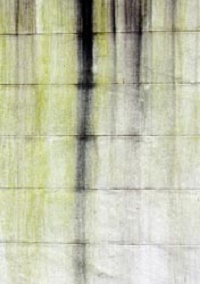 Scientists have found more than 1,000 different varieties of mold inside North American homes and public buildings. Even though only a few types of mold, such as stachybotrys and aspergillus, release toxins into the air along with the spores, they could be making you and your family sick. Scientists have found more than 1,000 different varieties of mold inside North American homes and public buildings. Even though only a few types of mold, such as stachybotrys and aspergillus, release toxins into the air along with the spores, they could be making you and your family sick.
Nosebleeds, memory loss, disorientation and other neurological problems, fatigue, headaches, asthma attacks and other respiratory problems are some of the health issues blamed on molds. In a study published in 1999, Mayo Clinic researchers concluded that mold causes most chronic sinus infections. And doctors at the Mount Sinai School of Medicine in New York City believe there is a relationship between exposure to stachybotrys and problems with memory, learning and concentration.
The U.S. Centers for Disease Control and Prevention states that molds can cause nasal stuffiness, throat irritation, coughing or wheezing, eye irritation, or, in some cases, skin irritation. People with mold allergies may have more severe reactions. Immune-compromised people and people with chronic lung illnesses, such as obstructive lung disease, may get serious infections in their lungs when they are exposed to mold.
In 2004, the Institute of Medicine (IOM) found there was sufficient evidence to link indoor exposure to mold with upper respiratory tract symptoms, cough, and wheeze in otherwise healthy people; with asthma symptoms in people with asthma; and with hypersensitivity pneumonitis in individuals susceptible to that immune-mediated condition.
The IOM also found some evidence linking exposure to damp indoor environments in general to shortness of breath, to respiratory illness in otherwise healthy children, and to potential development of asthma in susceptible individuals. In 2009, the World Health Organization issued a comprehensive guide to the health effects of mold and what to do about it, (see below for a link to the full report), stressing the prevalence and importance of respiratory symptoms, allergies and asthma, as well as immune system problems, as a result of mold exposure. The document notes that the most important means for avoiding adverse health effects is the prevention (or minimization) of persistent dampness and microbial growth on interior surfaces and in building structures.
That sort of evidence of the health effects of exposure to mold is causing a lot of problems for builders, municipalities and health care officials...and creating quite a bit of business for lawyers. One group of lawyers working together to represent mold victims has received 1,000 calls from prospective clients in the past year alone.
In California, mold received significant coverage after environmentalist Erin Brockovich testified to a state Senate committee that her newly built Los Angeles-area home was infested with mold and that she had sued the builder. Television personality Ed McMahon sued his insurance company for $20 million, claiming that mold in his Beverly Hills home made him sick and killed his dog. A host of other lawsuits and legislative options are under way in other places, and the concern is growing.
In North Carolina, mold in the walls between new $300,000 townhouses forced the builder to rip out and replace the walls, at an estimated cost of over $100,000. Owners have been reluctant to talk publicly about what may lurk in their walls, for fear their homes will lose value.
In 2001, a Texas family was awarded $32 million by a jury that ruled that the homeowner’s insurance company had failed to cover repairs properly after a leaky pipe caused the growth of the mold stachybotrys.
The owner testified before Congress and founded a group called Policyholders of America, which identified tens of thousands of mold-related insurance claims nationwide since 1999. As a result, companies that sell homeowners insurance have begun to limit or eliminate mold coverage in some areas.
There seem to be many reasons for both the incidences of ill-health from and the increase in awareness of the dangers of mold. Some newer building materials – like paper-coated drywall – retain moisture, unlike traditional materials like plaster. We’re sealing our houses tighter to save energy but not always ventilating properly. And during new housing booms, the push to reduce construction times has resulted in less drying time for concrete. In addition, we have become more aware of the quality of our indoor air and are starting to make connections between mold and previously undiagnosed illnesses.
Some families have even resorted to burning their homes down to get rid of mold infestations. If you suspect your problem is that big, consult an expert.
Mold thrives on moisture and “food,” such as wood, paper or stale bread. It can hide in walls, under carpets, and in crawl spaces – anywhere a leaky pipe or other source of moisture gets it started. Winter is the best time of the year to check for indoor mold. If you can smell a musty or earthy odor, mold may be present. You may also be able to see the dark discoloration produced by mold growth. Look especially closely at areas that have been damaged by water. While not all stains are mold-related, those that are fuzzy or expanding and green to black in color are likely due to mold, especially if the area has been damp.
To identify a spot of mold, dab it with a drop of chlorine bleach. If the color changes or disappears, the stain is likely organic and probably a mold. And don’t forget that once you have found a spot of mold on the floor, wall, or ceiling, there may well be mold growth that you can't see.
While moisture is the cause of your mold problem, you need to carefully add more moisture during the cleanup process so the spores don’t spread through the air. It is best not to vacuum, since it may increase your exposure to mold spores, which can pass through ordinary vacuum filters and remain suspended in the air for hours or days. Central vacuums that vent outside or vacuums fitted with HEPA filters will help minimize this exposure.
Scrub mold off hard surfaces with bleach and water then dry completely. Do not use an ammonia detergent at the same time you’re using bleach, since the mixture will release dangerous chlorine gas. Mold can be cleaned from wood and gyproc with a 10 percent to 30 percent solution of hydrogen peroxide applied with a spray bottle.
While you’re working, wear gloves and a respirator to avoid breathing in mold or mold spores. Remove people and pets from the area.
Moldy porous materials such as books, carpet, furniture ceiling tiles and wallboard may need to be discarded. Washable drapes that can be safely bleached may be salvageable. Dry-cleaning should be done by a professional who knows how to remove molds.
Finally, eliminate the moisture that caused the mold to grow in the first place. Check your home’s humidity levels by buying or borrowing a hygrometer and watching the changes that occur throughout a typical day in different rooms of the house and over the heating season. One of the most common sources of mold growth is poorly maintained humidifiers, dehumidifiers, air-conditioning units and filtration systems.
If you are renovating, here are some tips that should help. Ensure that lumber or drywall is dry when installing it. Add insulation around cold surfaces to reduce the possibility of condensation. Ensure that rainwater drains away from the building through downspouts and proper landscaping. Provide ample and properly sized venting fans in kitchens, bathrooms and laundry rooms; make sure these vents are going directly outside. Don’t use vinyl wallpapers in high-moisture areas, as they can create a vapor barrier that traps moisture in the wall, where mold will grow.
Learn More
The Doctor’s Book of Home Remedies for Airborne Allergies: 100 New Cures for Symptoms from Pollen, Pets, Dust, and Mold by Mary S. Kittel (Editor), (Rodale Press, 2000)
MOLD: The War Within by Kurt and Lee Ann Billings (Partners Publishing, 2010)
Mold Warriors: Fighting America's Hidden Health Threat by Ritchie C. Shoemaker (Gateway Press, 2005)
What Every Home Owner Needs to Know About Mold and What to Do About It by Vicki Lankarge (McGraw-Hill, April 2003)
Toxic Mold! Toxic Enemy! By Douglas R. Haney (Haney Communication Services, 2000)
Wendy Priesnitz is the Editor of Natural Life Magazine and a journalist with over 40 years of experience. She has also authored 13 books and experienced illness as a result of mold exposure.
|